BLOG ARTICLE
Faceless Educational Channels: From History to Science

Faceless educational channels focus on what you teach, not who’s teaching. Viewers searching for history explainers, science facts, or “how X works” care about clear structure and reliable information, not a host on camera. Education content earns moderate to strong CPMs and stays evergreen, so a single video can keep attracting views and revenue for years. This guide covers why the educational niche works faceless, content ideas from history to science, real channel examples, how to create educational videos without showing your face, monetization, and growth so you can start a faceless educational channel in 2026.
TL;DR
- Education is a strong faceless niche. Viewers tune in for clarity and structure, not a face. Education and online learning content often earns $6–$12 RPM; specialized topics (coding, professional development) can sit higher. Tier-1 audiences (US, UK, Canada, Australia) command the best rates.
- History and science fit faceless formats. Animated explainers, documentary-style narration, and infographics bring the past and natural world to life without a host on camera. Channels like Economics Explained and The Armchair Historian show that storytelling and visuals do the work.
- Content ideas that perform: Explainer videos (“how X works”), historical events and figures, science facts and phenomena, list-style videos (“top 10”), and fact-based deep dives. Evergreen topics keep attracting search traffic long after upload.
- Monetization beyond ads: Sponsorships from education and productivity brands, affiliate links to courses and books, and digital products (e.g. e-books, courses). Educational channels often diversify across ads, sponsors, and memberships.
- Production without a face: Animations, stock footage, AI voiceover, and script-first storytelling. Research and script quality matter more than a camera; clarity and accuracy build trust.
Why the Educational Niche Works Faceless
Educational content suits faceless formats because viewers prioritize clarity and structure over personality. When someone searches for “why did the Roman Empire fall” or “how does photosynthesis work,” they want a clear narrative and accurate information, not a famous host. Animations, infographics, and documentary-style narration can deliver that without you appearing on camera. Education and online learning typically earn $10–$20 CPM in favorable conditions; RPM (what you take home after YouTube’s cut) often sits in the $6–$12 range, with specialized or tier-1-focused content at the higher end. Geography matters: content that reaches viewers in the US, UK, Canada, and Australia earns more per view. If you’re choosing or refining your niche, education is a strong option for ad revenue and for sponsorships and affiliate deals (courses, books, productivity tools).
Sub-niches within education
Not all educational topics perform the same. History (events, figures, mysteries) and science (facts, phenomena, “how it works”) are classic faceless formats: they rely on research, script, and visuals rather than a host. Economics and society (like Economics Explained) sit at the intersection of education and high-CPM finance. Complex concepts (e.g. “how a jet engine works”) work well with 3D or animated explainers. Fact-based and list-style content (“top 10 historical mistakes,” “weird science facts”) attract search and curiosity-driven traffic. Picking a sub-niche you can sustain (e.g. “ancient history” or “space and physics”) helps you rank for specific searches and build a recognizable style.
Content Ideas and Formats That Work
Educational audiences search for answers and stories: what happened, how it works, why it matters. Evergreen explainers and list-style videos stay relevant year-round and keep attracting views long after upload. That fits faceless production: you research, script, and pair the narrative with AI voiceover or your own voice over animations or stock footage.
Strong content angles for faceless educational channels:
- History: Events, figures, and mysteries (e.g. “The fall of the Roman Empire,” “Who was Cleopatra?”). Use maps, period imagery, and clear chronology. Documentary-style narration and animations or stock footage keep viewers engaged without a host.
- Science: “How X works,” “Why does Y happen,” or “Facts about Z.” Break down complex ideas into simple steps; use diagrams, animations, or B-roll. Cite sources so the content stays accurate and advertiser-friendly.
- Economics and society: Concepts like GDP, inflation, or “why countries trade.” Channels like Economics Explained use animated explainers and clear narration; the format scales without a face.
- List and fact-based: “Top 10 historical events,” “Weird science facts,” or “Things you didn’t know about X.” List-style and curiosity-driven titles often attract strong search and browse traffic.
- “How it works” / complex concepts: Machinery, systems, or natural phenomena (e.g. “How a nuclear reactor works”). 3D or 2D animations and step-by-step narration suit faceless production and stay evergreen.
Videos of 8 minutes or longer allow mid-roll ads and tend to earn more per view. Use chapters and a clear narrative arc so viewers stay longer; that helps both revenue and the algorithm.
Successful Faceless Educational Channels: Real Examples
These channels show how educational content can work without a face on camera. They use animations, documentary-style narration, and clear structure to teach history, science, economics, and facts.
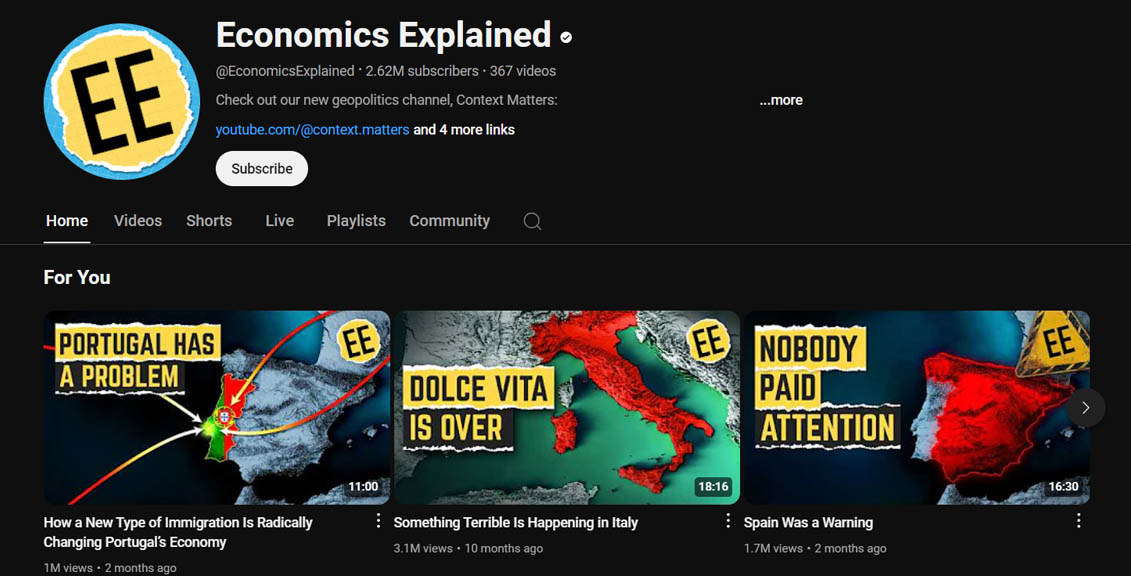
Economics Explained breaks down economic concepts (GDP, inflation, trade, country economies) with animated explainers and a clear narrator. With over 2.3 million subscribers, it shows that faceless education can scale in economics and society. The content is evergreen and appeals to viewers in tier-1 countries, which supports strong CPMs and sponsor interest.
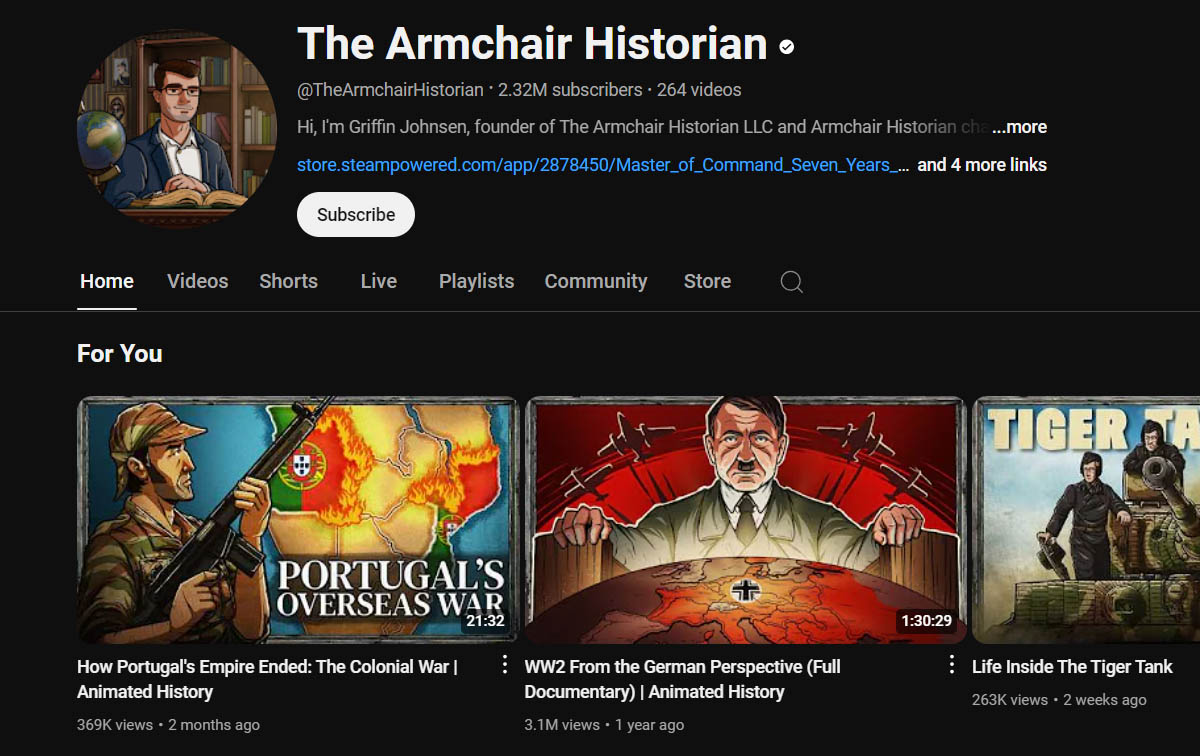
The Armchair Historian explores historical events and figures with engaging visuals and animations. The format is fully faceless: voiceover plus maps, illustrations, and motion graphics. History lends itself to this style because the story and the visuals carry the video; no host is needed.
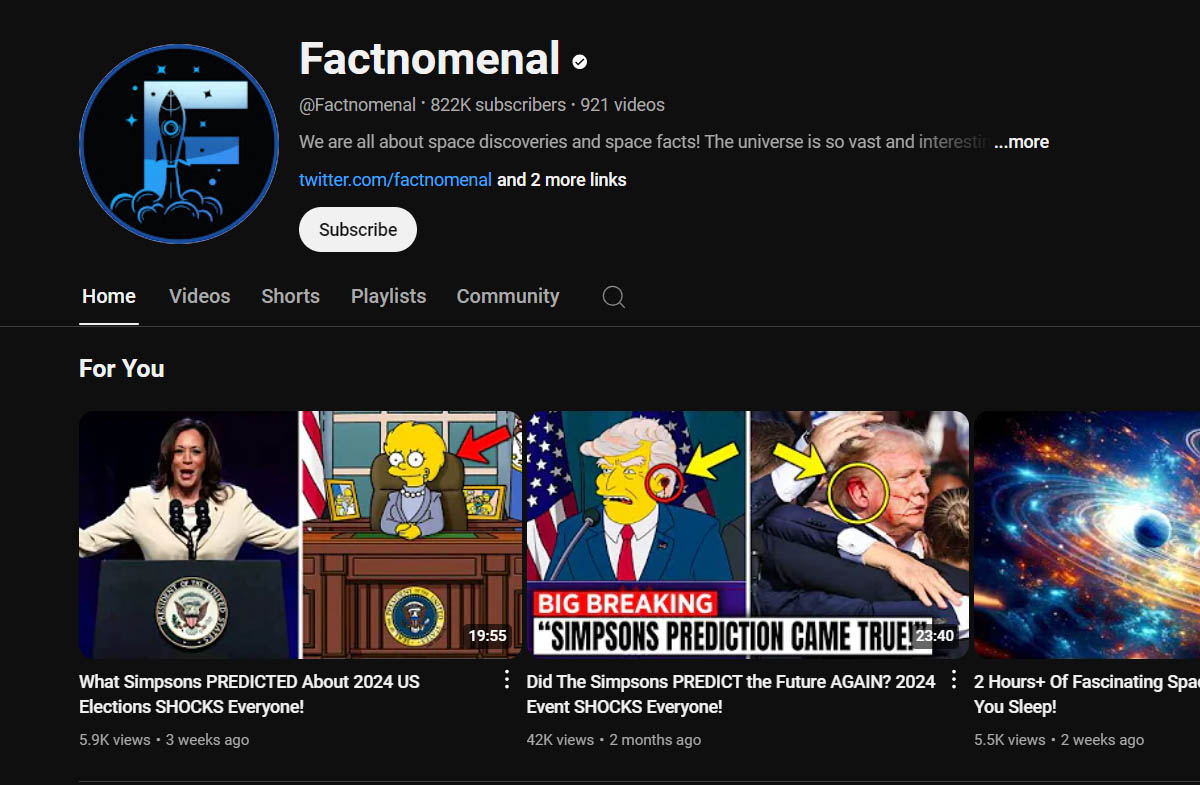
Factnomenal delivers educational content on science, history, and intriguing facts with engaging visuals and narration and no on-camera host. The channel shows how fact-based and curiosity-driven content can keep viewers hooked while staying fully faceless. AI voiceover and script-first production fit this format well.
The Infographics Show uses animated explainers across education and entertainment topics and has grown to over 14 million subscribers. The format is voiceover plus infographics and animations; it shows that educational and explainer content can scale without a face and attract strong sponsorship and affiliate revenue when the product fits the topic.
What these channels share: a clear niche, consistent format (script + visuals + voice), and focus on clarity and accuracy rather than personality. You can adopt a similar approach with animations or stock footage and AI voiceover or your own voice.
How to Create Educational Videos Without Showing Your Face
You don’t need a camera. Educational faceless videos are built from research, a strong script, and visuals (animations, stock footage, or screen recording) plus voiceover.
Script first. Educational content lives or dies on structure and accuracy. Outline the narrative (e.g. problem → explanation → takeaway), research with reliable sources, and draft the script before you touch visuals. A clear script makes it easier to match AI voiceover or your own recording to the right visuals.
Animations and explainers. For “how X works” or complex concepts, use whiteboard-style tools (e.g. VideoScribe), motion graphics, or 2D/3D animations. Channels like Kurzgesagt and Economics Explained rely on illustrations and animation to make abstract ideas concrete. You can start with simpler tools (e.g. Canva, Keynote) and upgrade as you scale.
Stock footage and B-roll. For history or science, pair narration with stock footage (Pexels, Pixabay, or paid libraries). Use maps, period imagery, or nature and science clips that match the script. Mix footage types to keep the video dynamic; avoid long stretches of static visuals.
AI voiceover. AI voice generators suit educational content when the tone is calm and instructional. Choose a voice that fits the topic (e.g. neutral for science, slightly warmer for history storytelling) and keep pacing consistent. Factnomenal and similar channels use AI voice successfully for fact-based and explainer content.
Screen recording (when relevant). For tutorials (e.g. “how to use a timeline tool” or “how to read this map”), screen recording plus voiceover is enough. Use OBS Studio or similar; keep the screen clean and the steps clear.
If you’re new to faceless video production, start with one format (e.g. script + stock footage + voice) and refine it before adding heavy animation. Accuracy and clarity matter more than production polish in education.
Monetizing Your Faceless Educational Channel
Educational channels can earn from several streams. Ads are the baseline: once you’re in the YouTube Partner Program, long-form educational content typically earns $6–$12 RPM or more depending on sub-niche and audience location. Many successful educational creators also rely on sponsorships and affiliate marketing.
Sponsorships: Education and productivity brands (courses, apps, books) look for channels with the right audience. Sponsorship CPMs for education often sit in the $10–$25 range for integrated segments. Pitch with a short media kit (audience, views, past work) and keep sponsorships relevant to your content (e.g. a history channel and a book or course platform).
Affiliate marketing: Course platforms (e.g. Teachable), book links (Amazon Associates), and productivity or learning tools often have affiliate programs. When you recommend a resource that deepens what you taught in the video, put your link in the first lines of the description and in a pinned comment. Disclose affiliate links clearly; the FTC expects that viewers see the relationship before they click.
Digital products: If you build authority, you can sell e-books, courses, or templates that extend your free content. These work best when they match what you already teach on the channel.
Diversifying across ads, affiliate, and sponsorships smooths out swings in any one source and is a common approach for faceless channel monetization.
Growing Your Educational Channel
Growth comes from discoverability and retention. Keyword research helps you find topics people search for (e.g. “why did the Roman Empire fall” or “how does photosynthesis work”) so you can create videos that rank. Use tools like Ahrefs’ YouTube keyword tool or similar to see volume and competition; then target clear, specific titles and descriptions.
Hooks and structure. The first 10–30 seconds should deliver on the thumbnail and title. State the question or topic clearly, then walk through the answer with a logical structure. Use chapters so viewers can jump to what they need and so the algorithm can understand the video.
Consistency. Posting on a schedule (e.g. one or two long-form videos per week) helps the algorithm and builds habit with your audience. Batch research and scripting so you can keep publishing even when you’re not “in the mood.”
Accuracy and sources. Educational content builds trust when it’s accurate and cited. Link to sources in the description when possible; avoid sensationalism so the content stays advertiser-friendly and monetizable.
Shorts and funnels. Shorts earn much less per view than long-form in education, but they can introduce your channel to new viewers. Use Shorts to tease a fact or a “what happened” moment and point viewers to a full video on your channel.
Frequently Asked Questions
Is the educational niche good for faceless YouTube channels?
Yes. Viewers tune in for clarity, structure, and accuracy, not for a face. History, science, economics, and fact-based content work well with animated explainers, documentary-style narration, and infographics. Channels like Economics Explained, The Armchair Historian, and Factnomenal show that faceless educational content can build large audiences and strong sponsorship and affiliate revenue.
How much do faceless educational channels make?
Earnings depend on views, sub-niche, and audience location. Education and online learning often earn $6–$12 RPM; specialized topics (e.g. economics, coding) can sit higher. A channel with 100K views per month on long-form educational content might earn roughly $600–$1,200 from ads alone, with more possible from sponsorships and affiliate. Channels like The Infographics Show are estimated at $10,000–$15,000 per video at scale.
Do I need to be an expert to run an educational channel?
You don’t need a degree to create educational content, but you do need to be accurate and cite sources. Many successful channels research thoroughly and present information in a clear, structured way. If you’re not an expert, focus on topics you can explain correctly and link to further reading or experts.
What format works best for faceless educational videos?
Animations and explainers work well for “how X works” and complex concepts. Documentary-style narration over stock footage or maps works for history. List-style and fact-based videos suit infographics and short segments. Screen recording fits tutorials. Choose one format that matches your sub-niche and refine it; AI voiceover and stock footage or animation support all of them.
Which educational sub-niche has the highest CPM?
Economics and society (e.g. Economics Explained–style content) often sit at the higher end because they overlap with finance and business advertisers. Coding, professional development, and “how it works” science can also attract strong CPMs. General history and curiosity-driven facts can earn well with tier-1 audiences. Target US, UK, Canada, and Australia for the best rates.
Summary
Faceless educational channels can build large, loyal audiences by focusing on clarity, structure, and accuracy across history, science, economics, and facts. Choose a sub-niche you can sustain, use formats like animated explainers or documentary-style narration over stock footage and AI voiceover, and model what works for channels like Economics Explained, The Armchair Historian, Factnomenal, and The Infographics Show. Monetize through ads, affiliate marketing, and sponsorships, and keep content accurate and advertiser-friendly. With consistent, well-researched content and the right growth and production approach, a faceless educational channel can become a strong, long-term asset.